
Article: Writing Letters to Friends: Pen Pals Rediscovered
Writing Letters to Friends: Pen Pals Rediscovered
Writing letters to friends is a deliberate act of connection, transforming a simple piece of paper into a tangible expression of care. It offers a permanence and personal touch that fleeting digital messages simply cannot match.
A Timeless Connection in a Digital World
In an age defined by instant notifications and abbreviated texts, the ritual of composing a letter has found a new, profound relevance. The choice to sit down, gather your thoughts, and commit them to paper is an experience in itself—a quiet rebellion against the relentless pace of modern communication.
This deliberate act elevates a simple message into a cherished keepsake.

Unlike an email deleted with a single click, a handwritten letter occupies physical space. It can be held, reread, and saved for years, becoming part of a friend’s personal history. The unique character of your handwriting, the texture of the paper, and even the choice of pen all contribute to a sensory experience that deepens the emotional impact of your words.
This tangible quality is precisely why letter writing endures. It’s a practice that strengthens friendships by showing you are willing to invest your most valuable resource—time. The process encourages a more reflective, sincere form of expression, allowing for the kind of meandering, heartfelt conversation often lost in quick digital exchanges.
The Modern Renaissance of Penmanship
In the UK, total letter volume dropped from 20 billion in 2000 to just 6.7 billion by 2024. With households now receiving a personal letter only once every seven or eight weeks on average, each one has become a rare and significant event.
This scarcity has sparked a renewed appreciation for the art form. Writing a letter is not an outdated habit; it is a powerful, contemporary tool for genuine connection. It offers an opportunity to step away from the screen and engage in a more mindful practice.
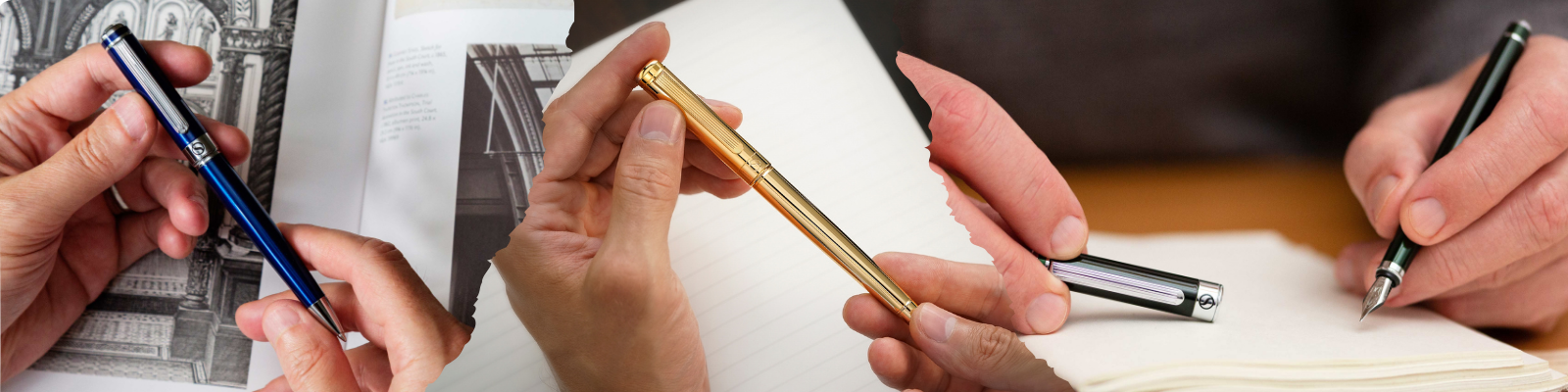
The act of penmanship itself—the feel of a well-balanced Scriveiner pen gliding across the page—is a meditative process. It focuses the mind and allows for a more considered articulation of our feelings, helping us to reconnect not just with our friends, but with ourselves.
For a deeper understanding of the enduring appeal of physical letters, consider the ongoing debate of digital greeting cards vs. paper cards. Ultimately, writing letters to friends fosters a unique bond built on patience and thoughtfulness. This dedication to connecting with those around us is what makes each letter a testament to the enduring power of friendship.
Crafting an Elegant Opening
The first few lines of a letter are paramount. They set the mood, turning a simple piece of paper into an inviting conversation. A thoughtful opening does more than just greet; it builds an instant connection and shows the pleasure you take in sitting down to write. It is your first opportunity to signal the warmth and sincerity that will fill the page.

Moving beyond a generic "Dear Anna" allows you to inject your personality from the very start. Consider your relationship and the purpose of your letter. Is it a casual check-in? Perhaps begin with something light and affectionate. Are you writing after a long silence? Acknowledge the passage of time with grace.
The physical act of writing plays a part here as well. The smooth glide of a quality pen across the page encourages a more deliberate, measured start. That tactile experience can help focus your thoughts, letting the perfect opening phrase emerge naturally.
Setting the Right Tone Immediately
The best openings often link back to a shared memory or a recent conversation. This simple technique makes the letter feel less like a formal announcement and more like the continuation of an ongoing dialogue. It shows your friend they have been on your mind.
For instance, mentioning a recent phone call or a memory that surfaced creates an immediate point of connection. It acknowledges your shared history and reinforces the foundations of your friendship.
An opening is not just a formality; it is the handshake of your letter. It should feel warm, personal, and authentic, assuring your friend that the words to come are meant solely for them.
Consider these approaches to see what we mean:
- Reference a recent event: "I am still smiling about our conversation last Tuesday, and it prompted me to finally sit down and write."
- Recall a shared memory: "The autumn leaves have just started to turn, and it made me think of our walk through the park last year."
- Start with a direct thought: "You have been on my mind a great deal this week, and I wanted to send a few words your way."
The right opening is entirely down to the unique dynamic you share with your friend. The goal is to choose words that sound like you and feel right for them. Eschew stilted language and embrace a tone that mirrors how you would speak to them in person.
Composing the Heart of Your Letter
You have written your opening and have now arrived at the letter’s substance. This is where the real conversation unfolds—a space for shared stories, quiet reflections, and the sincere questions that define a friendship. Think of it less like a report and more like capturing the natural rhythm of a heartfelt chat on paper.

The tactile sensation of a well-balanced pen moving across the page can be a remarkable aid in this process. A quality writing instrument, such as a Scriveiner, encourages a more thoughtful pace. It gives your mind the space to organise its thoughts and articulate feelings with greater clarity. This physical connection often transforms mundane updates into something far more compelling.
Weaving a Conversational Narrative
The best letters feel like dialogues, not monologues. To achieve this, you must balance sharing your own news with a genuine curiosity about your friend’s life. A letter filled only with your own achievements can feel one-sided, while one composed entirely of questions can seem a little empty.
The key is to create a give-and-take on the page. Share a personal anecdote, then follow it with a question that invites your friend to share something similar. This creates a beautiful, reciprocal exchange that strengthens your bond.
A letter should feel like you have captured a piece of your inner world and offered it to your friend. It is an invitation for them to do the same, creating a shared space of trust and understanding that transcends distance.
To keep your writing dynamic, try weaving in a few of these elements:
- Shared Memories: "I was reminded the other day of our trip to..."
- Personal Anecdotes: "You will not believe what happened at work last week..."
- Thoughtful Questions: "How have you been finding the new project?"
- Future Aspirations: "I have been dreaming of visiting Scotland again. Shall we plan something?"
Transforming the Everyday into a Story
Even the most ordinary updates can become captivating. The art lies in finding the small, human details that bring a story to life. Instead of just stating you have started a new hobby, describe the feeling of learning it—the small frustrations and the little moments of triumph. This approach turns a simple fact into a shared experience.
This storytelling process can be a deeply rewarding creative act in itself. If you're looking for ways to warm up your narrative skills, exploring some creative writing exercises for adults can be excellent practice. By focusing on sensory details and emotional honesty, you make your reader feel as though they were right there with you.
Ultimately, the heart of your letter is a testament to your friendship. It is a space to be vulnerable, humorous, and wholly yourself. By thoughtfully weaving together stories and questions, you create something that honours the depth of your connection, making the simple act of writing a letter a truly meaningful endeavour.
The Art of Penmanship and Presentation
A letter is so much more than the words on the page. It is a physical object, a complete sensory experience. The weight of the paper in your friend's hand, the particular shade of ink you have chosen, the unique character of your handwriting—it all combines to make an impression long before the first sentence is even read. This is where a simple message transforms into a cherished keepsake.

Choosing a fine writing instrument, for example, elevates the entire act of correspondence. When you hold a well-balanced Scriveiner pen, the process shifts from a simple task to a mindful ritual. There is a quiet pleasure in feeling the nib glide smoothly across the page, encouraging a more deliberate, graceful script. It allows your personality to flow through in every curve and line.
The Signature of Your Hand
Your handwriting is an extension of you. Unlike the cold uniformity of a digital font, your script is uniquely yours, able to convey nuance and emotion in a way that typed text never can. Taking a moment to form your words with care is a quiet but profound gesture of respect for your friend and for the message you are sending.
This does not mean you need perfect calligraphy. It is about celebrating authenticity. The effort and personal touch are what elevate your message, much like the care that goes into making handmade birthday cards. If you would like to bring a little more confidence and flair to your script, our guide on how to improve your handwriting has some practical advice.
Penmanship is not about achieving flawless calligraphy; it is about conveying sincerity through deliberate effort. Each letter formed by your hand is a small testament to the time you have dedicated solely to your friend.
Creating these tangible artefacts of friendship has deep roots. During the Victorian Era in the UK, the introduction of the penny post in 1840 turned letter writing into a daily ritual. The volume of letters sent skyrocketed from 75.9 million in 1839 to 168.8 million just one year later, allowing friends everywhere to share their lives more intimately than ever before.
Selecting the Perfect Stationery
Think of the paper you choose as the canvas for your conversation. Its texture, weight, and colour all contribute to the experience for the person reading it. Try to match the stationery to the tone of your letter.
A few thoughts:
- For heartfelt, serious letters, a heavier, cream-coloured paper lends a sense of classic elegance and importance.
- For casual, cheerful updates, you could try a lighter, brighter paper, or one with a subtle, tasteful design to add a touch of personality.
- For celebratory notes, consider stationery with refined details like embossed borders or a personal monogram.
Ultimately, the combination of a beautiful pen, thoughtful penmanship, and quality paper creates something truly special. It is an object of craft that shows you have invested not just your thoughts, but also your time and care. This tangible expression of affection is what makes a handwritten letter an unparalleled gesture of friendship.
Concluding Your Letter with Grace
The end of a letter is the last impression you leave—a final, quiet echo of everything you have just shared. Think of it as the artful tying of a ribbon on a gift; it secures all the warmth and thought inside, leaving your friend with the feeling of being truly seen. A good closing makes the entire letter feel complete.
This is not just about signing your name. It is a chance to finish on a high note, reinforcing why you wrote in the first place. The words you choose should match the tone of your letter, bringing your conversation to a natural, graceful end.
Leaving the Door Open for a Reply
One of the loveliest ways to conclude is by gently encouraging a continued conversation. It turns your letter from a one-sided statement into the beginning of a dialogue and shows you are just as interested in their world as you are in sharing your own.
Asking a thoughtful question or simply saying you are looking forward to their reply makes your farewell feel personal and engaging. It keeps the connection alive, bridging the gap of time and distance until their letter arrives.
The most memorable conclusions make someone feel heard, not just spoken to. A simple "I cannot wait to hear what you think" carries immense weight, turning the page into a shared space.
Here are a few ways to prompt a response without being demanding:
- Ask something specific: "I'd love to hear how your garden is coming along this spring."
- Show you're waiting: "I will be looking forward to your next letter and all your news."
- End with affection: "Thinking of you always and sending all my best."
A Range of Classic and Contemporary Closings
Choosing the right closing phrase is the final touch, and the words should feel authentic to you and your relationship. While "Sincerely" has its place, the rich tradition of letter writing offers a whole spectrum of options that might better capture what you feel.
For closer friendships, warmer closings are almost always the right choice. Here is a selection to consider:
- Warmly,
- With love,
- Yours,
- Affectionately,
- All my best,
- Until next time,
The physical act of signing off, especially with a pen that flows as effortlessly as a Scriveiner, adds a final, personal mark to your sentiments. It is the last gesture you make, a deliberate and elegant end to the beautiful ritual of writing to a friend.
A Few Common Questions About Letter Writing
Embarking on the practice of writing letters can sometimes bring up a few questions. It is a wonderful habit to cultivate, but like any craft, there are moments of uncertainty. Here are some thoughts on the common queries we hear, aimed at helping you feel confident as you revive this timeless art.
How Long Should a Letter to a Friend Be?
There is no prescribed length. The most meaningful letters are the ones that feel genuine, whether they are a few heartfelt paragraphs or a multi-page update catching up on life. The focus should always be on the quality of your message, not the word count.
The true goal is to share what is on your mind with sincerity. A good rule of thumb is to simply write until you feel you have said what you needed to say. Do not force it to be longer or cut it short if the words are flowing.
What if My Handwriting Isn’t Perfect?
Please, embrace your unique script. Your handwriting is a part of you, and a friend will appreciate the personal touch far more than they will ever critique your penmanship. The authenticity of your own hand is what makes a letter so incredibly special.
Concentrate on writing legibly and give yourself time to write at a comfortable pace. You might find that a high-quality pen that feels balanced in your hand, like a Scriveiner, can actually improve the neatness and flow of your writing. It often makes the whole experience more enjoyable, too.
The imperfections in handwriting are what give a letter its character and warmth. It is a tangible reminder that a real person, a friend, took the time to create something just for you.
This personal touch is likely why the tradition endures. Among UK children and young people, letter writing is still a cherished activity, with 23.4% reporting they had penned a letter in the past month as of 2021. It suggests a hopeful future for this deeply personal form of communication. You can discover more from the National Literacy Trust's research on youth letter writing.
How Often Should I Write?
The right frequency depends on your friendship. Some friends might exchange letters monthly, while for others, a letter once or twice a year for a birthday or holiday becomes a cherished tradition. The key is finding a rhythm that feels natural and sustainable for both of you.
It is far better to send one thoughtful letter every few months than to start an intense exchange that fizzles out. The beauty of writing letters lies in its unhurried nature, so find a pace that brings you joy, not pressure.
Is It Okay to Type a Personal Letter?
While a typed letter is certainly better than no letter at all, the true charm of this tradition is found in the handwritten word. A letter written by hand carries a sense of effort, time, and vulnerability that typing cannot replicate.
The physical act of forming words on a page creates an intimate artefact—something your friend can hold and keep. If physical limitations make handwriting difficult, a typed letter with a thoughtful, handwritten signature is a wonderful compromise that still feels deeply personal.
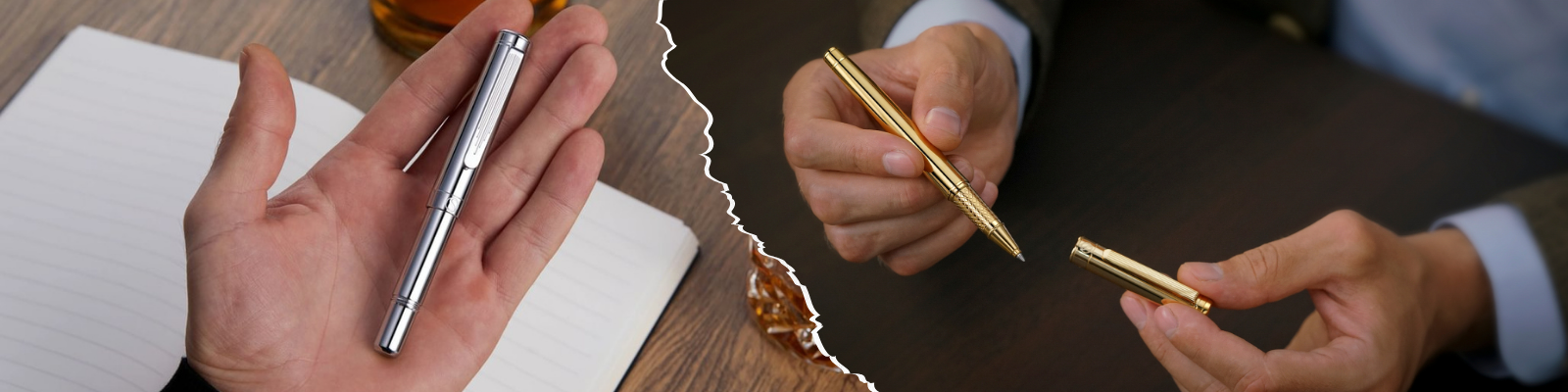
Elevate your correspondence from a simple message to a timeless keepsake. Discover the pleasure of a superior writing experience with a Scriveiner pen and rediscover the art of writing letters to friends. Explore our collection of fine writing instruments today.

Leave a comment
This site is protected by hCaptcha and the hCaptcha Privacy Policy and Terms of Service apply.